
June 30, 2026 · by Synoptek Team 10 min read
Microsoft Agent 365 Enterprise is redefining enterprise automation by enabling AI agents to independently execute tasks, coordinate workflows, and support decision-making across business functions. This blog explores how Microsoft’s agentic AI ecosystem combines AI reasoning, enterprise data, and workflow automation to create autonomous workflows. It also examines key use cases, the importance of Microsoft 365 agentic AI governance, and how Microsoft’s approach compares to other enterprise AI platforms. Finally, it provides guidance on preparing organizations for successful agentic AI adoption in 2026 and beyond.
Artificial intelligence has entered a new phase of enterprise adoption. Organizations are no longer deploying AI solely to assist employees with content generation or productivity; they are increasingly relying on AI agents to execute tasks, coordinate workflows, and make decisions autonomously. As the number of AI agents grows across business functions, so does the challenge of governing, securing, and managing them at scale.
This is where Microsoft Agent 365 Enterprise plays a critical role. Rather than serving as a platform for building AI agents, it acts as the enterprise control plane that enables organizations to monitor agent activity in real-time, establish governance guardrails, enforce security policies, and manage AI agents across the Microsoft ecosystem. It provides the visibility and oversight IT, security, and compliance teams need to deploy agentic AI with confidence.
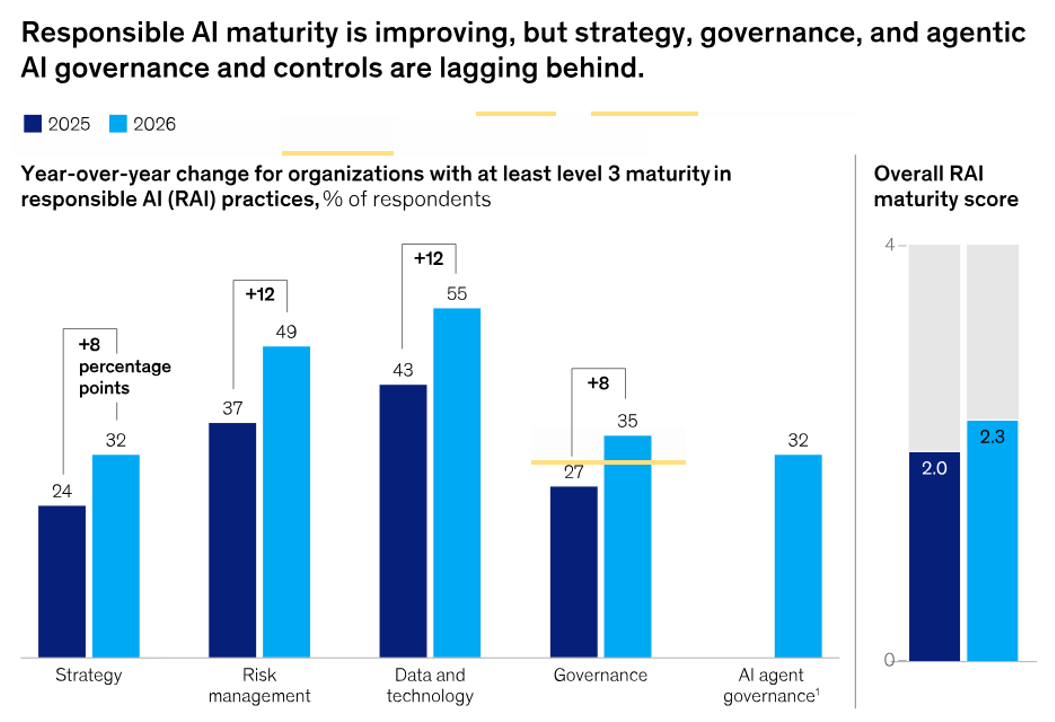
As enterprises accelerate AI adoption, effective governance is becoming just as important as innovation. According to Gartner, by 2030, fragmented AI regulation will quadruple and extend to 75% of the world’s economies, driving $1 billion in total compliance spend. Understanding what Microsoft Agent 365 Enterprise is, and how it complements Microsoft’s broader AI ecosystem, can help organizations scale autonomous AI responsibly while maintaining security, compliance, and operational control.
What Is Microsoft Agent 365 Enterprise?
Microsoft Agent 365 Enterprise is Microsoft’s centralized control plane for managing AI agents across the enterprise. Rather than building or orchestrating agents, it provides the governance, security, and operational oversight needed to deploy and scale agentic AI responsibly. Organizations can use it to monitor agent activity, manage agent lifecycles, enforce policies, and maintain visibility across AI agents operating within the Microsoft ecosystem.
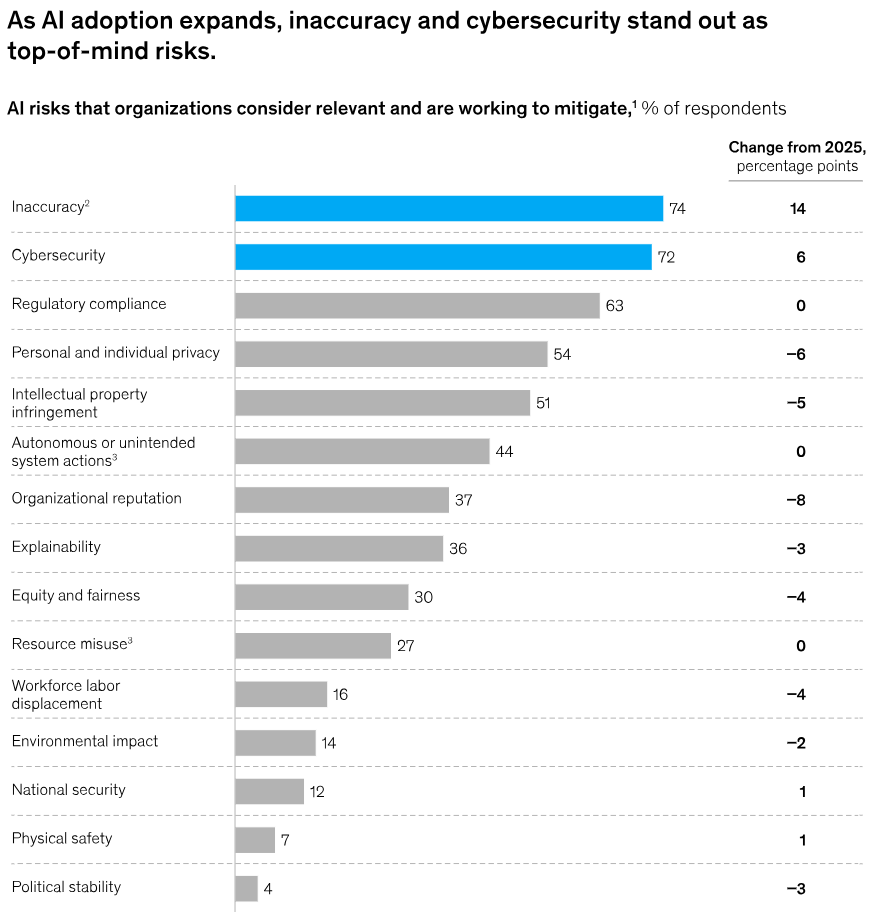
As enterprises adopt AI agents built with services such as Microsoft 365 Copilot, Copilot Studio, Azure AI, and Power Platform, managing these agents becomes increasingly complex. Microsoft Agent 365 Enterprise addresses this challenge by providing a unified framework to observe agent behavior in real time, establish guardrails for both agents and users, enforce identity and access controls, and maintain comprehensive audit trails for compliance.
By centralizing governance and security, Microsoft Agent 365 Enterprise enables organizations to innovate with AI while maintaining the control required for enterprise-scale deployments. The platform helps IT, security, and business leaders ensure that AI agents operate safely, consistently, and in accordance with organizational policies and regulatory requirements.
How Microsoft Agent 365 Enterprise Works
Microsoft Agent 365 Enterprise provides a centralized management layer that gives organizations visibility and control over AI agents operating across the Microsoft ecosystem. Rather than executing workflows itself, the platform continuously monitors agent activity, enforces governance policies, and helps ensure every agent operates within approved security and compliance boundaries.
Its capabilities are built around four core functions:
Real-Time Agent Monitoring
Microsoft Agent 365 Enterprise provides a centralized dashboard to monitor AI agents across the organization. IT teams can track agent health, activity, performance, and resource utilization in real time, enabling them to quickly identify issues, investigate anomalies, and optimize agent performance before they impact business operations.
Governance and Guardrails
As organizations deploy more autonomous AI agents, consistent governance becomes essential. Microsoft Agent 365 Enterprise allows administrators to define policies that govern how agents operate, what actions they can perform, which systems they can access, and when human approval is required. These guardrails help ensure agents align with business objectives while reducing operational and compliance risks.
End-to-End Security and Compliance
The platform extends enterprise-grade security across the AI agent lifecycle by integrating with Microsoft identity, access management, and security services. Organizations can enforce role-based access controls, maintain detailed audit logs, monitor agent actions, and support regulatory compliance through centralized policy enforcement and reporting.
Unified Agent Management
As AI adoption grows, organizations often manage agents built with Microsoft 365 Copilot, Copilot Studio, Power Platform, Azure AI, and other Microsoft services. Microsoft Agent 365 Enterprise provides a unified control plane for managing these agents from a single interface, simplifying administration, improving operational visibility, and enabling secure AI deployments at enterprise scale.
Why AI Agent Governance Matters in 2026
As enterprises deploy AI agents across customer service, finance, HR, IT, and operations, managing these agents has become a business-critical challenge. While AI agents can automate complex workflows and improve productivity, they also introduce new risks around security, compliance, visibility, and operational control. Without a centralized governance framework, organizations can quickly lose track of how agents access data, make decisions, and interact with enterprise systems.
Microsoft Agent 365 Enterprise addresses these challenges by giving organizations the oversight needed to scale agentic AI responsibly. Key drivers for adopting an enterprise AI control plane include:
- Complete Visibility Across AI Agents: Monitor agent activity, health, and performance in real time through a centralized dashboard, making it easier to detect issues, optimize operations, and maintain accountability.
- Stronger Security and Risk Management: Protect AI agents with enterprise-grade identity, access controls, and policy enforcement to prevent unauthorized actions and reduce security risks.
- Built-in Governance and Compliance: Establish guardrails that define what agents can access, what actions they can perform, and when human approval is required, helping organizations meet regulatory and internal governance requirements.
- Simplified Enterprise AI Operations: Manage AI agents deployed across Microsoft 365, Copilot Studio, Power Platform, Azure AI, and other Microsoft services from a unified control plane, reducing administrative complexity as AI adoption grows.
As agentic AI becomes integral to enterprise operations, success will depend not only on building intelligent agents but also on governing them effectively. Organizations that invest in visibility, security, and governance will be better positioned to scale AI confidently while maintaining trust and compliance.
Key Enterprise Use Cases for Microsoft Agent 365 Enterprise
As organizations deploy AI agents across business functions, managing them becomes a shared responsibility across IT, security, compliance, and business teams. Microsoft Agent 365 Enterprise provides the centralized visibility and governance needed to ensure these agents operate securely, reliably, and in accordance with organizational policies.
Enterprise-Wide AI Governance
As AI agents proliferate across departments, organizations need consistent governance rather than isolated oversight. Microsoft Agent 365 Enterprise enables IT teams to establish standardized policies, monitor agent activity from a single console, and ensure every agent complies with enterprise security and governance requirements.
Security and Risk Management
AI agents often access sensitive business data and critical enterprise applications. Microsoft Agent 365 Enterprise helps security teams enforce identity and access controls, detect unauthorized or anomalous agent behavior, and protect AI workloads with end-to-end security policies.
Compliance and Audit Readiness
Organizations operating in regulated industries need clear visibility into how AI agents make decisions and interact with enterprise systems. Microsoft Agent 365 Enterprise maintains comprehensive audit trails, policy logs, and activity records that support internal governance and external compliance requirements.
AI Operations and Performance Monitoring
As the number of deployed agents grows, maintaining operational health becomes increasingly important. Microsoft Agent 365 Enterprise enables administrators to monitor agent performance, identify failures or bottlenecks, troubleshoot issues proactively, and optimize AI operations through centralized observability.
Controlled Enterprise AI Adoption
Business teams can continue building AI agents with tools such as Copilot Studio and Azure AI while IT retains centralized oversight through Microsoft Agent 365 Enterprise. This allows organizations to accelerate innovation without compromising governance, security, or operational control.
Microsoft Agent 365 Enterprise vs. Other Enterprise AI Platforms
As enterprises expand their use of AI agents, choosing the right platform is about more than building intelligent assistants. Organizations also need a way to govern, monitor, and secure AI agents as they scale across business functions. This is where Microsoft Agent 365 Enterprise differentiates itself, combining centralized AI governance with the broader Microsoft ecosystem.
Key advantages include:
- Centralized Agent Management: Microsoft Agent 365 Enterprise provides a single control plane to monitor, manage, and govern AI agents deployed across Microsoft services, giving IT teams complete visibility into enterprise AI operations.
- Built-In Security and Governance: Unlike platforms that focus primarily on agent development, Microsoft combines identity management, security policies, audit logging, compliance, and governance into the AI lifecycle, helping organizations deploy agents responsibly.
- Seamless Integration with the Microsoft Ecosystem: Organizations can govern AI agents built with Microsoft 365 Copilot, Copilot Studio, Azure AI, Power Platform, and Dynamics 365 without introducing separate management tools or fragmented governance processes.
- Enterprise-Scale Operations: Real-time monitoring, policy enforcement, and centralized administration enable organizations to manage hundreds or thousands of AI agents consistently, making Microsoft Agent 365 Enterprise well-suited for large, regulated, and globally distributed enterprises.
While many AI platforms provide tools to build and deploy intelligent agents, Microsoft Agent 365 Enterprise extends those capabilities with the operational oversight, security, and governance required for enterprise-scale AI adoption. This combination of innovation and control helps organizations accelerate AI initiatives without compromising compliance, trust, or operational resilience.
Deploying AI agents successfully requires more than building intelligent workflows—it demands a governance strategy that ensures security, compliance, and operational control from day one. As organizations scale AI across departments, establishing the right foundations becomes essential for maximizing business value while minimizing risk.
The following best practices can help organizations prepare for enterprise-scale AI adoption:
- Establish Governance Early: Define policies for security, compliance, data access, human oversight, and acceptable AI behavior before deploying agents across the organization. A governance-first approach reduces risk and enables responsible AI adoption.
- Implement Centralized Monitoring: Gain visibility into AI agent activity, performance, and usage through a unified management platform. Continuous monitoring helps detect anomalies, troubleshoot issues, and ensure agents operate within established guardrails.
- Strengthen Data and Identity Foundations: AI agents rely on trusted data and secure access to enterprise systems. Invest in high-quality data, identity management, and role-based access controls to ensure agents make reliable decisions while protecting sensitive information.
- Prepare Employees and IT Teams: Equip business users, administrators, and security teams with the knowledge to build, manage, and oversee AI agents effectively. Strong change management and training programs improve adoption while reinforcing accountability.
- Develop a Long-Term AI Governance Strategy: Treat AI governance as an ongoing capability rather than a one-time implementation. As AI agents become more autonomous and widespread, they continuously refine governance policies, monitor performance, and adapt controls to evolving business and regulatory requirements.
The Future of Microsoft Agent 365 Enterprise
As AI agents become integral to enterprise operations, organizations will need more than powerful models and automation platforms—they will need a way to govern AI at scale. The future of enterprise AI will depend on the ability to monitor agent activity, enforce security policies, maintain compliance, and ensure autonomous systems operate within clearly defined business boundaries.
Microsoft Agent 365 Enterprise is positioned to become a foundational component of this future by providing the centralized control plane for enterprise AI agents. As organizations deploy larger fleets of AI agents across Microsoft 365, Copilot Studio, Azure AI, Dynamics 365, and Power Platform, the need for unified visibility, governance, and lifecycle management will only continue to grow.
Organizations that invest in AI governance today will be better equipped to scale autonomous AI responsibly, accelerate innovation, and build trust in AI-driven business operations.
Conclusion
AI agents are transforming how enterprises work, enabling greater automation, faster decision-making, and improved operational efficiency. However, realizing these benefits requires more than deploying intelligent agents; it requires a governance framework that provides visibility, security, and control across the entire AI ecosystem. With spending on AI governance expected to reach $492 million in 2026 and surpass $1 billion by 2030, organizations are reassessing the tools and strategies needed to stay ahead of both regulatory and operational risk.
Microsoft Agent 365 Enterprise helps organizations monitor, manage, and secure AI agents from a centralized platform. With real-time observability, enterprise-grade guardrails, and end-to-end governance, businesses can confidently scale AI initiatives while meeting security, compliance, and operational requirements.
As enterprise AI adoption accelerates in 2026, organizations that prioritize governance alongside innovation will be best positioned to unlock the full value of agentic AI while building a secure, compliant, and resilient foundation for the future.