June 24, 2025 - by Ajinkya Gokhale
Over the years, I’ve seen how service management has evolved (and sometimes struggled) to keep up with the pace of change. Whether IT support, facilities management, or customer service – the core objective of ITSM platforms has always been to help people, solve problems, and keep things running smoothly.
But let’s be real: traditional IT service management often feels reactive and repetitive. There are endless ticket queues, manual triaging, and repeating the same steps.
That’s where AI comes in, and it’s not just hype anymore. It’s deeply integrated into modern ITSM software, and it’s already changing how we deliver services.
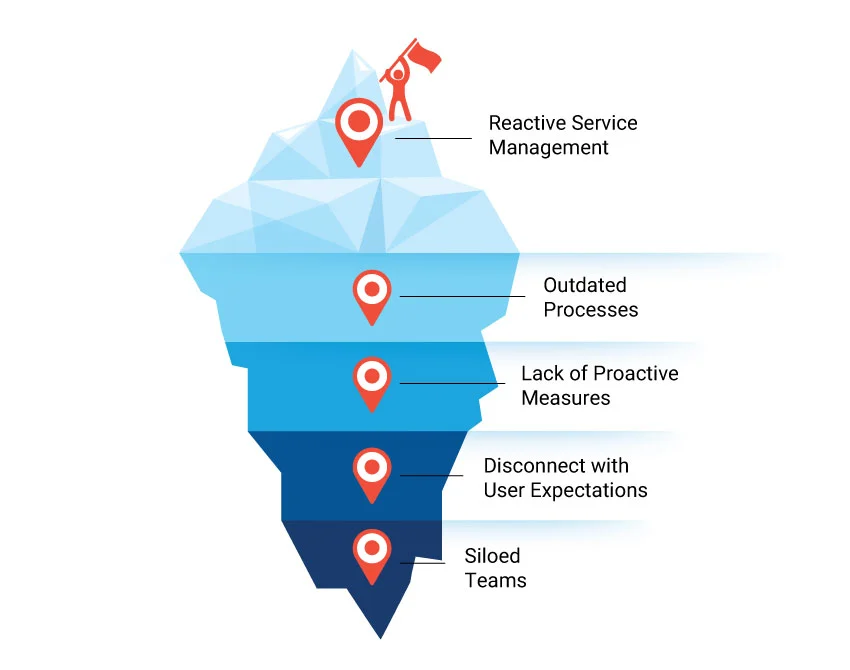
In many organizations, service management still works like a factory line. A user reports an issue, a ticket is created, assigned to the right team, and eventually fixed. But is this approach efficient?
Sure, there are processes in place, such as ITIL, SLAs, and knowledge bases, but too often, it still boils down to reactive firefighting.
In a world where users expect instant answers and zero downtime, outdated ITSM software and approaches are no longer enough.
The traditional service management model struggles under the weight of modern expectations. Delays in ticket routing, manual triage, and siloed communication often mean issues linger longer than they should. Users are frustrated, and service teams are buried in repetitive tasks that drain time and morale. Even with detailed documentation and best practices in place, the human bottleneck slows everything down.
Worse still, this reactive model offers little in the way of learning or foresight. Teams focus on fixing what’s broken instead of preventing problems in the first place. There’s limited visibility into patterns, no predictive insights, and virtually no room to evolve with changing business needs.
In today’s fast-paced digital environment, service management needs to do more than respond; it needs to anticipate, adapt, and accelerate. As artificial intelligence gets integrated into ITSM software, things get interesting. AI is transforming service management from reactive firefighting to proactive problem detection and prevention; from human-powered issue resolution to human + machine-powered, where AI handles routine tasks and humans focus on complex, strategic problems.
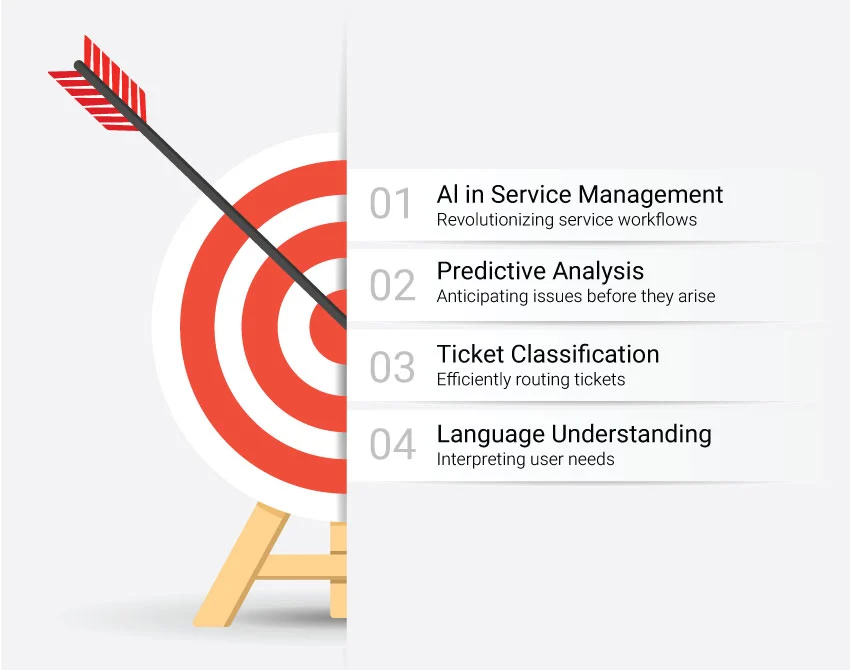
Companies increasingly invest in tools like ServiceNow to enhance service delivery and drive enterprise efficiency. Think about this: AI can:
We’re talking about more than just automation—about real intelligence built into your workflows.
Here’s the upside I see when AI is done right in service management:
“It’s not about replacing people; it’s about freeing them to do more of what they’re great at”.
AI in service management isn’t some distant future—it’s already here, quietly transforming how teams operate and deliver value. Across industries, organizations are using AI to streamline support, boost efficiency, and provide faster resolutions.
These real-world examples show how modern service management tools automate simple tasks to anticipate outages before they happen. When clubbed with AI, modern ITSM software open doors to additional benefits:
These aren’t just nice-to-haves, they’re becoming essential for scaling service management and keeping users happy.
The road ahead looks exciting. We’re moving toward:
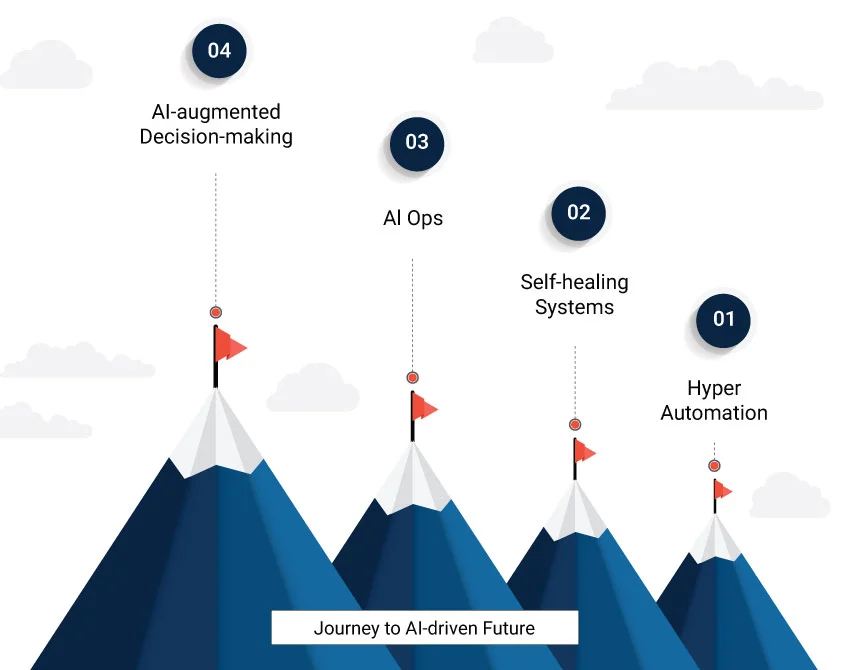
AI will be a massive accelerator for service management. It is not a replacement for people but a way to make our work more impactful. Modern AI-powered ITSM software is designed to bring intelligence, automation, and proactive support into every service delivery layer.
These platforms handle everything from intelligent ticket routing and virtual agents to predictive analytics and real-time insights for service teams. They are poised to empower organizations to shift from reactive support models to intelligent, scalable, and experience-driven service operations.
At Synoptek, we’re building on that vision with Synowate AI, our AI-powered service management platform designed to bring intelligence, automation, and proactive support into every service delivery layer.
Synowate AI will handle everything, from smart ticket routing and virtual agents to predictive analytics and real-time insights for service teams. The goal is simple: to empower organizations to shift from reactive support models to intelligent, scalable, and experience-driven service operations.
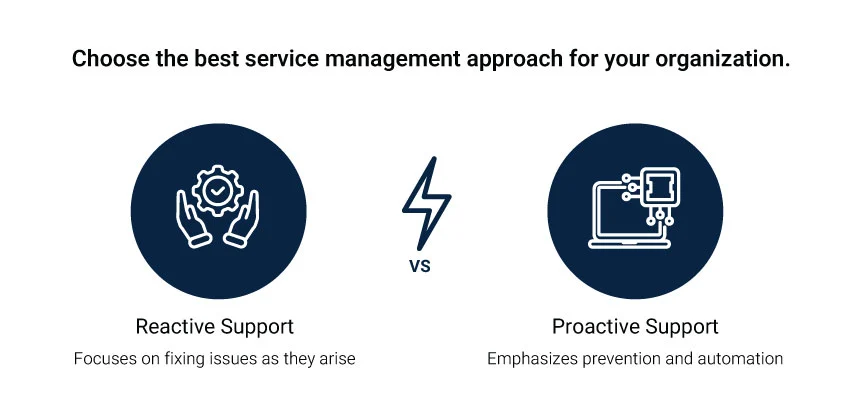
We’re not just fixing problems faster, we’re preventing them. We’re not just responding to users, we’re understanding them. And that, to me, is the most exciting part.
So, the question isn’t “if” AI will change service management. It already is.


Ajinkya Avinash Gokhale is a seasoned Certified ServiceNow specialist with over 15 years of experience in IT service management and enterprise solutions. He is recognized for his strategic leadership and ability to drive digital transformation initiatives, leveraging the ServiceNow platform to streamline business processes and enhance operational efficiencies.